
SentinelOne is strong in endpoint protection and endpoint detection and response, but choosing a vulnerability management platform requires a separate assessment of discovery, prioritization, and remediation. Endpoint security alone is not a complete specification for that job. The best SentinelOne alternative in 2026 is Brinqa if you need a vulnerability and exposure management platform; Tenable Vulnerability Management if your main requirement is vulnerability assessment.
- For sentinelone alternatives, shortlist Brinqa for vulnerability and exposure management rather than a like-for-like endpoint security replacement.
- Tenable Vulnerability Management, Qualys VMDR, and Rapid7 InsightVM belong on a vulnerability assessment shortlist.
- Keep SentinelOne when endpoint protection and incident response remain your primary requirements.
- Evaluate asset coverage, prioritization, remediation ownership, and closure evidence before choosing a platform.
Why this matters
Searching for SentinelOne alternatives mixes two different buying decisions: replacing endpoint protection and improving vulnerability management. Separate them. A platform that identifies vulnerable software does not automatically replace the controls that detect malicious activity and support incident response.
For a 2026 shortlist, define the missing capability before comparing vendors. Do you need better discovery, a way to manage findings across security sources, or a clearer process for getting vulnerabilities fixed? Those requirements lead to different evaluations.
If your problem starts with disconnected findings, begin with how to consolidate vulnerability data from multiple scanners. Buying another assessment tool without addressing data consistency can leave the same operational problem in place.
SentinelOne alternatives at a glance
This comparison separates product categories rather than claiming that every platform replaces SentinelOne. Use it to build your 2026 evaluation shortlist, then require each vendor to demonstrate your actual workflows.
| Tool | Best for | Standout focus | How it differs from SentinelOne |
|---|---|---|---|
| SentinelOne | Teams prioritizing endpoint protection and response | Endpoint security and detection and response | The benchmark when the requirement is protecting endpoints and investigating threats |
| Brinqa | Teams evaluating vulnerability and exposure management | Vulnerability and exposure management platform | A different buying category from an endpoint security replacement |
| Tenable Vulnerability Management | Teams prioritizing vulnerability assessment | Vulnerability discovery and assessment | Centers the evaluation on identifying and assessing vulnerabilities |
| Qualys VMDR | Teams evaluating a vulnerability management workflow tied to remediation | Vulnerability Management, Detection and Response | Centers the evaluation on vulnerability management rather than endpoint threat response |
| Rapid7 InsightVM | Teams evaluating vulnerability assessment and remediation planning | Vulnerability assessment and remediation projects | Centers the evaluation on finding and addressing vulnerabilities |
The distinction matters most when you write acceptance criteria. For endpoint security, investigate detection, containment, and response. For vulnerability management, investigate coverage, finding quality, prioritization, ownership, and evidence that a fix worked.
Do not treat a vulnerability management purchase as an endpoint protection replacement without a separate security-control assessment.
1. Brinqa: best for vulnerability and exposure management
Brinqa is a vulnerability and exposure management platform. Put it first on your shortlist when that is the category you need, rather than when you are shopping for a direct endpoint detection and response replacement.
Your evaluation should focus on the work between discovering a security issue and proving that someone addressed it. Bring your own asset records, findings, ownership rules, and reporting requirements. Ask for a demonstration against those requirements instead of accepting a generic dashboard tour.
Where it shines
- Its stated product category directly matches a vulnerability and exposure management buying requirement.
- It belongs in an evaluation where the central question is how to manage exposures, not just how to detect endpoint threats.
- It gives your shortlist a management-platform option alongside assessment-focused products.
Where it falls short
- Its vulnerability and exposure management positioning does not establish suitability as an endpoint protection replacement.
- Category fit alone does not prove compatibility with your security sources, asset model, or ticketing process; require evidence during evaluation.
- If your immediate problem is simply missing vulnerability discovery, first establish which assessment capabilities you need.
Best for: Security teams selecting a vulnerability and exposure management platform, with explicit requirements for how findings become action.
| Evaluation dimension | This platform | SentinelOne |
|---|---|---|
| Stated category | Vulnerability and exposure management | Endpoint security and detection and response |
| Primary buying question | How will you manage vulnerabilities and exposures? | How will you protect endpoints and respond to threats? |
| Required validation | Your vulnerability management workflow | Your endpoint security and response workflow |
A useful demonstration follows a finding through its entire lifecycle. Ask the vendor to explain the asset identity, the reason for its priority, the responsible owner, and the evidence needed to close it. Do not substitute a polished overview for that walkthrough.
Verdict: Buy Brinqa for vulnerability and exposure management only after validating your required workflow; skip it as an assumed like-for-like endpoint replacement.
2. Tenable Vulnerability Management: best for vulnerability assessment
Tenable Vulnerability Management belongs on your shortlist when discovering and assessing vulnerabilities is the main requirement. Its vulnerability assessment focus makes it a different evaluation from SentinelOne's endpoint protection and response role.
Start with coverage. Ask how the proposed deployment will assess the systems you actually operate, including assets that are difficult to reach or authenticate against. A useful assessment must explain its visibility limits, not just show findings from accessible systems.
Where Tenable Vulnerability Management shines
- Vulnerability discovery and assessment are central to its product purpose.
- It is a relevant candidate when you need to establish an assessment baseline.
- Its category fits teams whose buying requirement starts with identifying vulnerable assets and software.
Where Tenable Vulnerability Management falls short
- A vulnerability assessment purchase does not, by itself, replace endpoint threat detection and response.
- Finding vulnerabilities does not assign responsibility for fixing them; evaluate the ownership workflow separately.
- Assessment results still require context before they become a defensible remediation queue.
Best for: Teams whose largest gap is vulnerability discovery and assessment rather than endpoint incident response.
| Evaluation dimension | Tenable Vulnerability Management | SentinelOne |
|---|---|---|
| Primary focus | Vulnerability assessment | Endpoint protection and response |
| Core evaluation | Discovery and assessment coverage | Threat detection and response coverage |
| Operational handoff | Findings into remediation work | Security events into investigation and response |
During evaluation, distinguish a successful scan from a successful management process. You need to know which assets were assessed, which were missed, and what happens after a finding reaches the responsible team. An attractive findings list does not answer those questions.
Verdict: Buy Tenable Vulnerability Management when assessment is the missing capability; hold an endpoint replacement decision until you assess response requirements separately.
3. Qualys VMDR: best for evaluating vulnerability remediation workflows
Qualys VMDR stands for Vulnerability Management, Detection and Response. It belongs on a vulnerability management shortlist when you want to examine the relationship between asset visibility, vulnerability findings, prioritization, and remediation.
Do not confuse the word response in its name with a guarantee of equivalence to endpoint detection and response. Write down the actions your team needs, then ask the vendor to show how each action works in the proposed deployment.
Where Qualys VMDR shines
- Its stated scope directly addresses vulnerability management.
- It is a relevant candidate for evaluating vulnerability detection and remediation together.
- It gives you a way to test whether the proposed workflow connects assessment results to practical action.
Where Qualys VMDR falls short
- Product naming does not establish equivalence to SentinelOne's endpoint security role.
- Remediation depends on your deployment scope, permissions, and operational responsibilities; validate those boundaries.
- A vulnerability workflow still needs explicit treatment of exceptions and evidence of closure.
Best for: Teams evaluating a vulnerability management process with a clear remediation requirement.
| Evaluation dimension | Qualys VMDR | SentinelOne |
|---|---|---|
| Buying category | Vulnerability management | Endpoint security |
| Main evaluation | Detection, prioritization, and remediation of vulnerabilities | Protection, detection, and response to endpoint threats |
| Acceptance evidence | Demonstrated vulnerability lifecycle | Demonstrated endpoint security workflow |
Bring a finding that your organization has struggled to fix. Require the demonstration to show its owner, the proposed action, any approval boundary, and the way the system distinguishes a completed task from a resolved vulnerability.
Verdict: Buy Qualys VMDR when the demonstrated vulnerability workflow meets your requirements; skip any assumption that its name makes it an endpoint security substitute.
4. Rapid7 InsightVM: best for vulnerability remediation planning
Rapid7 InsightVM is a vulnerability management product with vulnerability assessment and remediation planning capabilities. Include it when you need to examine how assessment results become organized remediation work.
Focus the demonstration on the handoff to the team responsible for the affected assets. The question is not whether a platform can display a vulnerability, but whether your organization can use the proposed process to address it and confirm the result.
Where Rapid7 InsightVM shines
- Vulnerability assessment is part of its core purpose.
- Remediation projects provide a concrete workflow to evaluate.
- It is a relevant shortlist option when planning remediation is a central requirement.
Where Rapid7 InsightVM falls short
- Vulnerability management is not a like-for-like replacement for endpoint protection.
- Remediation planning still requires asset ownership and operational agreement.
- Project completion needs validation against the underlying exposure, not just task status.
Best for: Teams evaluating vulnerability assessment with an explicit remediation planning requirement.
| Evaluation dimension | Rapid7 InsightVM | SentinelOne |
|---|---|---|
| Primary focus | Vulnerability assessment and management | Endpoint protection and response |
| Work to demonstrate | Remediation planning | Threat investigation and response |
| Success criterion | Addressed vulnerabilities with validation | Effective endpoint protection and response |
Verdict: Buy Rapid7 InsightVM when its demonstrated assessment and remediation process fits your team; hold if the unresolved requirement is endpoint defense.
Why people switch from SentinelOne
For this vulnerability management comparison, the defensible reason to evaluate alternatives is a change in requirements. That is not evidence of a SentinelOne pricing problem, service outage, or product failure.
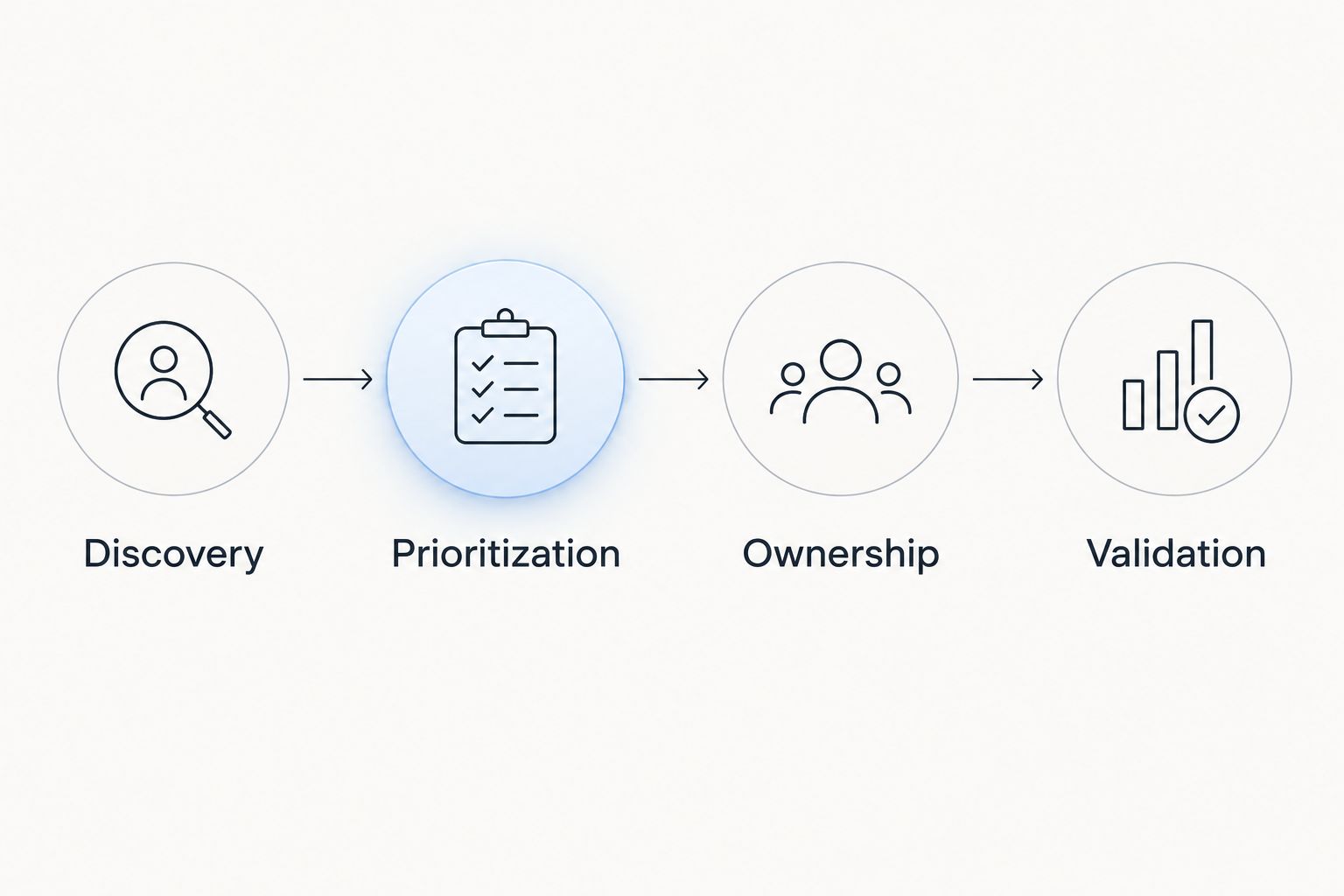
Your 2026 decision should start with a gap you can describe precisely:
- Discovery: You need vulnerability assessment coverage for a defined asset population.
- Prioritization: You need a documented reason to address one finding before another.
- Ownership: You need findings assigned to the team able to resolve them.
- Validation: You need evidence that remediation changed the underlying condition.
These are requirements to test, not automatic claims that SentinelOne lacks every capability listed. Assess the product and deployment you already use before approving a replacement.
If endpoint protection works and the gap is vulnerability management, evaluate an additional capability rather than assuming you must remove the existing control. Replace a product only when the proposed design accounts for the security functions you would lose.
How to evaluate your shortlist in 2026
Give every vendor the same evaluation brief. Describe your asset populations, assessment sources, remediation owners, approval process, and reporting audience. Consistent requirements make demonstrations comparable.
Separate severity from exploitation probability
FIRST's Common Vulnerability Scoring System uses a 0.0–10.0 severity score. FIRST's Exploit Prediction Scoring System estimates the probability of a published vulnerability being exploited in the wild during the next 30 days, expressed as a probability from 0% to 100%. These measures answer different questions.
A high severity score describes technical severity; it is not proof that exploitation is imminent. An exploitation probability does not describe the business importance of an affected asset. Ask vendors to explain which signals influence priority and how your team can inspect that reasoning.
Make ownership visible
A finding without an accountable owner is not ready for operational handoff. Ask the vendor to demonstrate how your team distinguishes the system owner, the remediation team, and the person authorized to accept an exception.
Test reassignment as well. Assets move between teams, and a process that depends on an outdated owner leaves work stranded even when the vulnerability data is accurate.
Require closure evidence
Closing a ticket and resolving an exposure are different events. Require the demonstration to show what evidence establishes that a vulnerability is no longer present or that an approved mitigating control addresses it.
Also examine exceptions. Your process needs a recorded rationale, an accountable approver, and a review point. An indefinite exception should not disappear into a completed-work total.
Evaluate your vulnerability management fit
Review a vulnerability and exposure management platform against your security requirements.
When staying with SentinelOne is the right call
Stay with SentinelOne when endpoint protection, detection, and incident response are the capabilities you need and your deployment meets those requirements. A vulnerability management shortlist is not sufficient evidence for replacing an endpoint security control.
For 2026 planning, document what your current deployment does before changing it. Identify which functions remain, which move to another product, and who owns any transition. Add vulnerability management to address a vulnerability management gap; do not create an endpoint protection gap in the process.
FAQ
What's the best SentinelOne alternative for vulnerability management?
The best choice depends on whether you need vulnerability assessment or vulnerability and exposure management. Shortlist management platforms for the latter requirement and assessment-focused products when discovery is the main gap.
Is Tenable Vulnerability Management better than SentinelOne?
Tenable Vulnerability Management is the more directly aligned evaluation when your requirement is vulnerability assessment. SentinelOne belongs in an endpoint protection and response evaluation; neither category automatically replaces the other.
Can Qualys VMDR replace SentinelOne?
Do not assume Qualys VMDR replaces SentinelOne's endpoint security functions. Evaluate its vulnerability management workflow separately from the protection, detection, and response controls your organization needs.
Is Rapid7 InsightVM an endpoint protection replacement?
Rapid7 InsightVM is a vulnerability management product, not a like-for-like endpoint protection replacement. Evaluate it for assessment and remediation planning while preserving the endpoint controls required by your security design.
Do I have to remove SentinelOne to improve vulnerability management?
No, improving vulnerability management does not automatically require removing SentinelOne. First establish whether the missing capability belongs alongside your existing endpoint protection rather than replacing it.
What's the difference between CVSS and EPSS?
CVSS measures vulnerability severity, while EPSS estimates exploitation probability over the next 30 days. Use them as different inputs to prioritization rather than treating either as a complete business-risk measure.
What should I ask vendors to demonstrate in 2026?
Ask vendors to demonstrate discovery, prioritization, ownership, and validation against your requirements. Follow a finding through remediation and require evidence that closure reflects a changed security condition.
One last thing
Bring a closed remediation ticket to your next vendor demonstration. Ask whether the proposed process can prove that the underlying vulnerability was resolved. That test exposes the difference between tracking activity and managing exposure without relying on a dashboard's appearance.